


Table of Contents
Flying internationally for the first time? Here's what's different from a domestic trip, including passports, customs, currency and what to expect at ONT.
If you're preparing to take your first international flight from the United States, congratulations! Whether you're traveling for vacation, work, school, or to visit loved ones, the opportunity to explore another country is something worth celebrating. It's completely normal to feel a little nervous or wonder what to expect before your trip, especially if you've never flown internationally before. The good news is that you're already taking one of the best steps toward a smooth journey by learning how the process works.
Every international trip follows the same basic flow, even if your destination is different. Think of it as five simple stages you'll go through one at a time. Breaking the journey into manageable steps makes the entire process feel much less overwhelming. Once you understand what happens at each stage, you'll know what to expect from the moment you think about booking your flight until you're back home after your trip.

1. Before You Leave
There’s plenty to think about before heading out for your flight. And trust me, the last thing you want is to arrive at the airport only to realize you’ve forgotten something important. To avoid last-minute stress, here are a few things worth checking off your list sooner rather than later.
Make sure your documents are ready
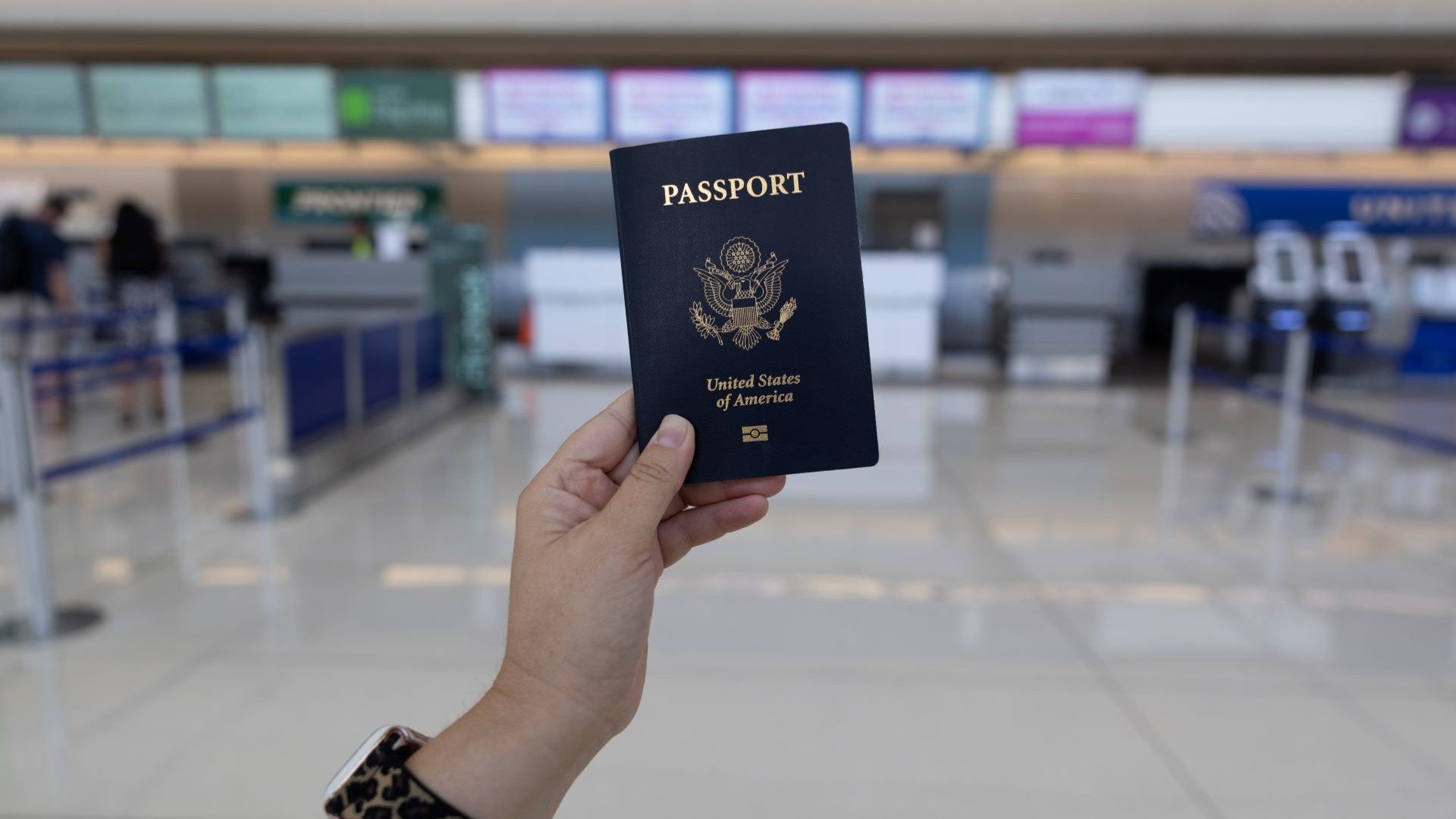
- Check your passport's expiration date well in advance because many countries require it to remain valid for at least six months beyond your travel date.
- You should also confirm whether your destination requires any additional entry documents such as a visa, e-visa, or digital travel authorization, and obtain them before your departure to avoid delays or denied entry.
Handle your financial preparations
- Notify your bank(s) of your travel plans to help prevent your transactions from being flagged as suspicious while you're abroad.
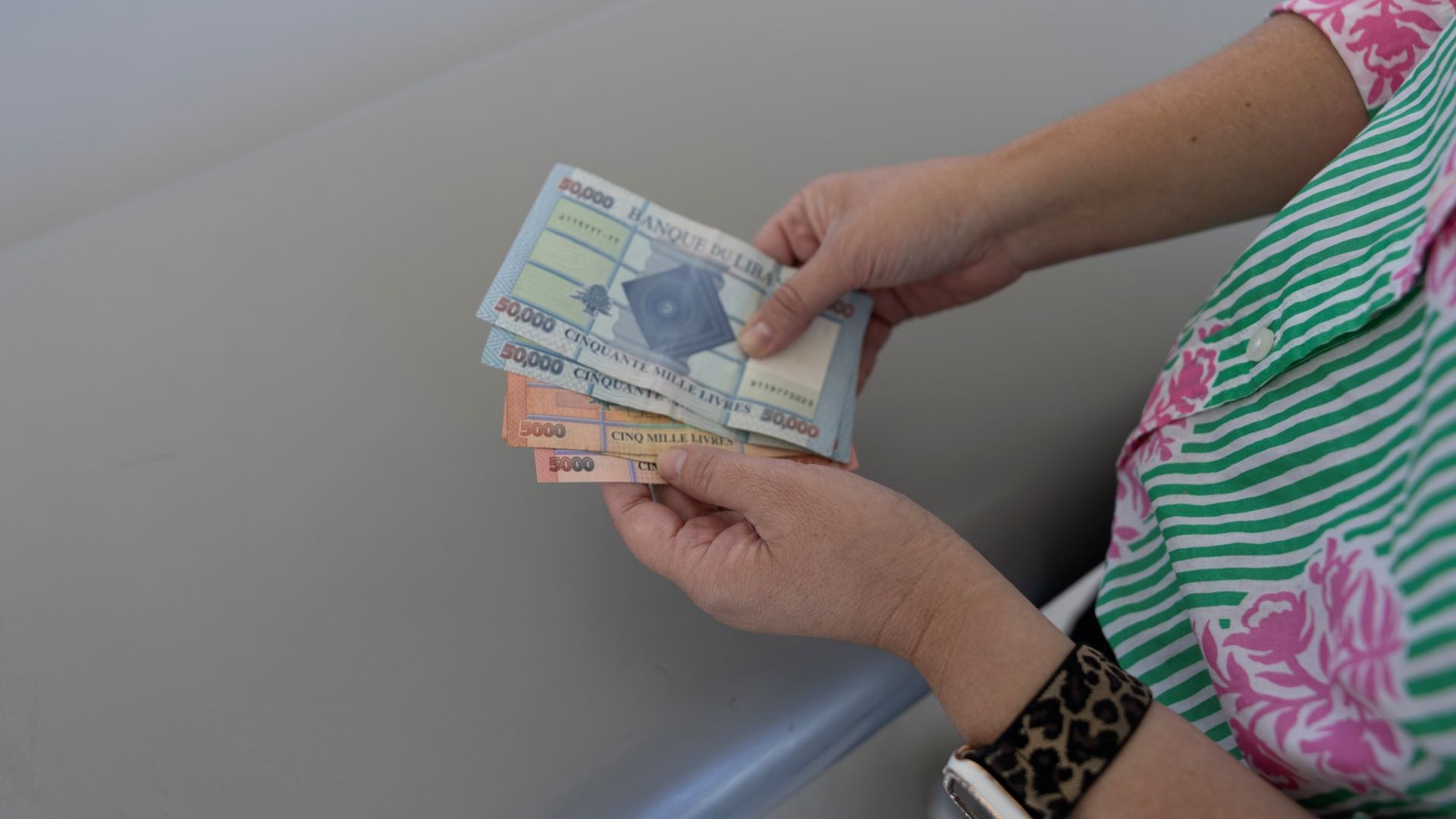
- It's also a good idea to exchange some currency before you leave. Many U.S. banks can order foreign currency for you. Simply contact your local branch a few days in advance to allow enough time for processing. Having local currency upon arrival can be very convenient for transportation, tips, or small purchases. While currency exchange kiosks at airports are readily available, they often offer less favorable exchange rates and may charge higher fees, making them a more expensive option.
Pack smart
- If you take prescription medications, research your destination's regulations before you travel, as some countries have restrictions on certain medications that are legal in the U.S.
- Bring copies of your prescriptions, keep all medications in their original labeled packaging, and pack them in your carry-on luggage in case your checked baggage is delayed or lost.
- It is also important to understand the difference between power adapters and power converters and pack accordingly.
- A power adapter allows your device's plug to fit into a foreign outlet, while a power converter changes the electrical voltage.
- Many electronics, such as smartphones, laptops, and tablets, are dual voltage and only require a plug adapter. However, some appliances, such as hair dryers or curling irons, may also require a voltage converter to operate safely. Checking your devices before you travel can help prevent damage and ensure they work properly throughout your trip.
Brush up on essential local key words phrases
- In addition to traditional phrasebooks, there are many language-learning apps designed to help travelers navigate everyday situations such as ordering food, asking for directions, inquiring about prices, etc.
- The Google Translate app is especially helpful for live, face-to-face translation when communicating with someone who does not speak your language.
- Take some time to memorize a few basic expressions in your destination's local language, such as greetings, "thank you," "please," and "where is the restroom?" Even a small effort to communicate in the local language can help you navigate your destination more confidently and make a positive impression. It’s also worth learning a few local customs, including gestures or behaviors that may be considered rude or inappropriate, so you can show respect and avoid unintentionally offending the people you meet.
Pro Tip: If you're a U.S. citizen traveling internationally, consider enrolling in the U.S. Department of State's Smart Traveler Enrollment Program (STEP) before your departure. STEP is a free service that allows you to register your trip with the nearest U.S. embassy or consulate. By enrolling, you'll receive important safety updates, travel advisories, and alerts about your destination, including information about natural disasters, civil unrest, health emergencies, or other significant events. If an emergency occurs, STEP also makes it easier for the U.S. embassy or consulate to contact you or your designated emergency contact and provide assistance when possible. Enrollment only takes a few minutes and can provide added peace of mind while traveling abroad.

2. At Your Departure Airport
With the excitement and nerves that come with it, the day of travel can feel a little daunting — even as a frequent international flyer — but it doesn’t have to be. I like to say, “give yourself some grace and plenty of time.” If you keep the following points in mind, you’ll breeze through the airport and be ready to enjoy your first international trip.
Arrive earlier than you would for domestic travel
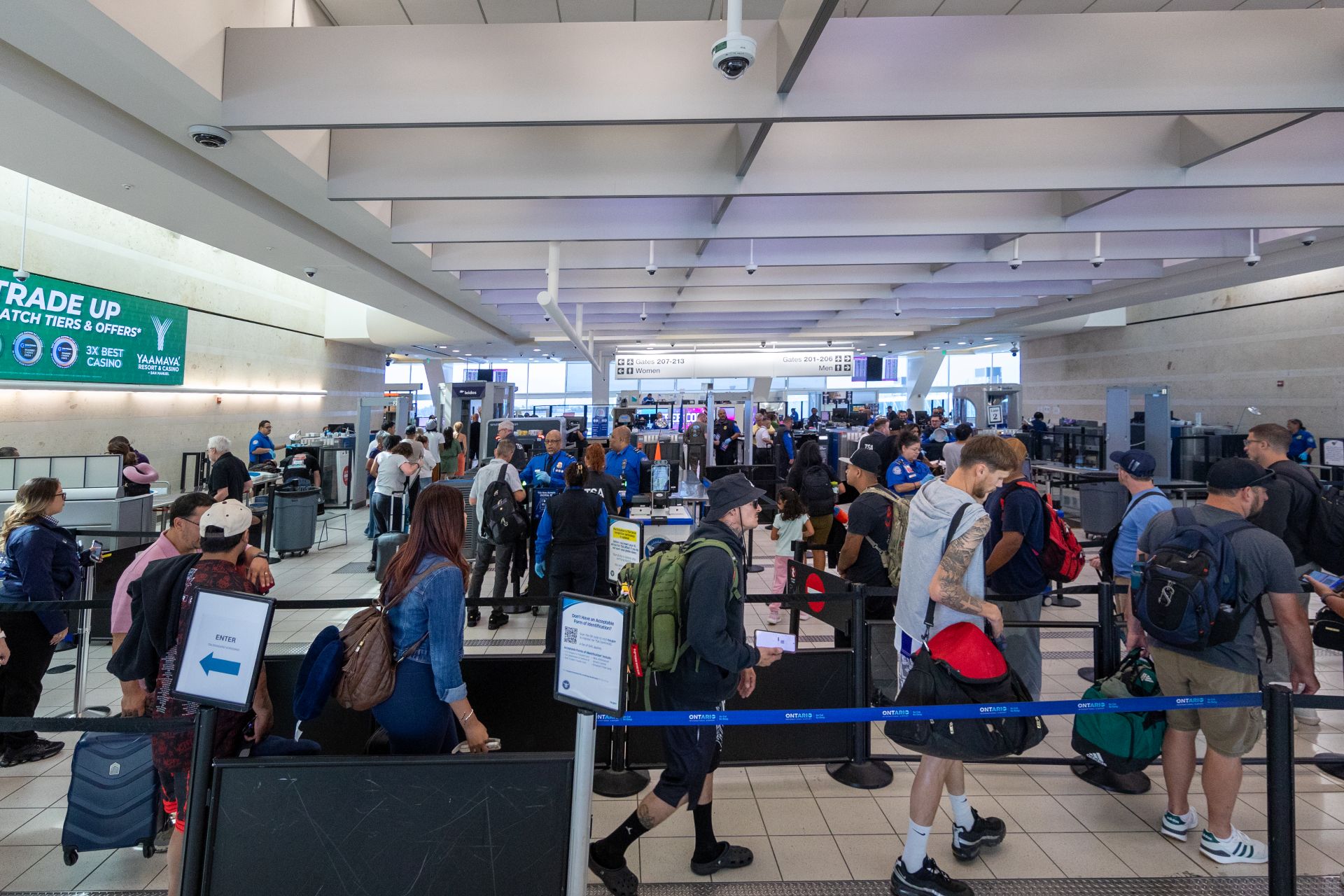
- At the check-in desk, the airline will verify your passport, confirm that you meet your destination's entry requirements, and ensure you have any required documents before issuing your boarding pass, so plan to arrive at the airport at least three hours before your scheduled departure.
Activate your phone service
- Consider purchasing an international eSIM or confirming that your phone plan includes international service so you can stay connected as soon as you arrive at your destination.
- If you’re unfamiliar, an eSIM is a digital SIM card that lets your phone connect to local networks abroad without expensive roaming fees. You can purchase a plan online or through an app like Airalo, then scan a QR code or tap an install button to activate it when you arrive.
Confirm your means of transportation
- It's a good idea to verify your transportation from the arrival airport in advance, whether you've arranged a shuttle, rideshare, taxi, rental car, or public transportation, to make your arrival less stressful.
3. Arriving in a New Country
You’re officially at your destination, and regardless of how long your flight was, you’re probably ready to get through the airport and out the doors. Take a breath, and let me walk you through what to expect as you navigate a new airport as an international arrival.
Follow the signs
- Most international airports use multilingual signs, often including English, making it easier to navigate even if you don't speak the local language. After landing, look for the airport signs directing you to passport control.
Present your passport
- This is often the part travelers find most intimidating, but it’s typically a straightforward process. When you reach passport control, look for the line designated for foreign visitors or U.S. passport holders. Join the appropriate line and wait until you are called up.
- At this checkpoint, an officer will verify your passport and travel documents before granting you entry. This means you should keep all required documents readily available so you can swiftly provide them if requested.
- You most likely will be asked questions about the purpose and length of your visit too. Answer all questions honestly and clearly.
- Be prepared for your fingerprints to be scanned or photo to be taken before getting your passport back.
Declare required items (if applicable)
Some countries require travelers to complete a customs declaration, either on paper or electronically, to declare certain items such as large amounts of currency, food, or goods that exceed duty-free limits. Be sure to review your destination's customs requirements and answer all declaration questions honestly.
Pro Tip: Keep a pen easily accessible in your personal item or carry-on. If you need to complete a paper form, you'll be able to fill it out quickly without waiting to borrow one or use an airport-provided pen.
4. Flying Home
As much as you may not want to admit it, all good trips eventually come to an end. As with any travel, check that you haven’t left any important personal belongings behind and that you have everything you need for your return trip. But just because you’re heading home doesn’t mean the experience has to end; here’s a suggestion to keep that vacation feeling going.
Bring back a taste of your travels
- If there's a specialty food you'd love to bring home from your trip, you absolutely can. Perishable favorites like French butter, Dutch cheese, or other regional delicacies can often make the journey back with you. Most shops that sell these items are accustomed to helping travelers and will package your purchases specifically for international travel to help preserve its quality if you ask. Just be sure to declare any food items when you arrive in the U.S.
5. Back in the U.S.
And just like that, you’re back on home turf. But before you can call it a wrap, there are some final steps to complete after landing. However, once you’re through, you will have officially completed your first international trip!
Proceed through U.S. Customs and Border Protection
Unlike domestic travel, landing in the U.S. after an international trip takes a little more time as all passengers must be screened. This includes presenting your passport to a customs official, answering questions about your trip, and declaring any items purchased or acquired abroad
Pro Tip: Take advantage of Global Entry! This Trusted Traveler Program allows pre-approved, low-risk travelers to use expedited kiosks upon returning to the U.S. which can significantly reduce wait times at customs and immigration. Global Entry membership is valid for five years and includes TSA PreCheck® eligibility, so you can enjoy time-saving benefits for many domestic flights as well. Be sure to check whether your credit card covers the cost of a Global Entry application fee since many major credit cards offer that credit as a cardholder benefit.
Thank you for choosing Ontario International Airport! Please be aware that ONT’s International Arrivals Terminal is a separate building at 2222 International Way, not Terminal 2 or Terminal 4. Anyone being picked up from an international flight needs to go there. The Global Entry Enrollment Center is also in that building, so travelers curious about making future international trips faster can enroll on their way through.
While international travel includes a few additional requirements compared to domestic travel, it doesn't have to be stressful.
With a little planning and preparation, you'll be ready to navigate each step with confidence. Before long, you'll discover that traveling internationally is much more manageable than it may seem.



Trending Posts

Contact ONT
Have questions for the ONT team? Click the link below for multiple ways to connect with us.