



Table of Contents
From Boeing 737s to widebody flights to Taipei, here's how to spot and identify the aircraft at ONT and the best places to watch them.
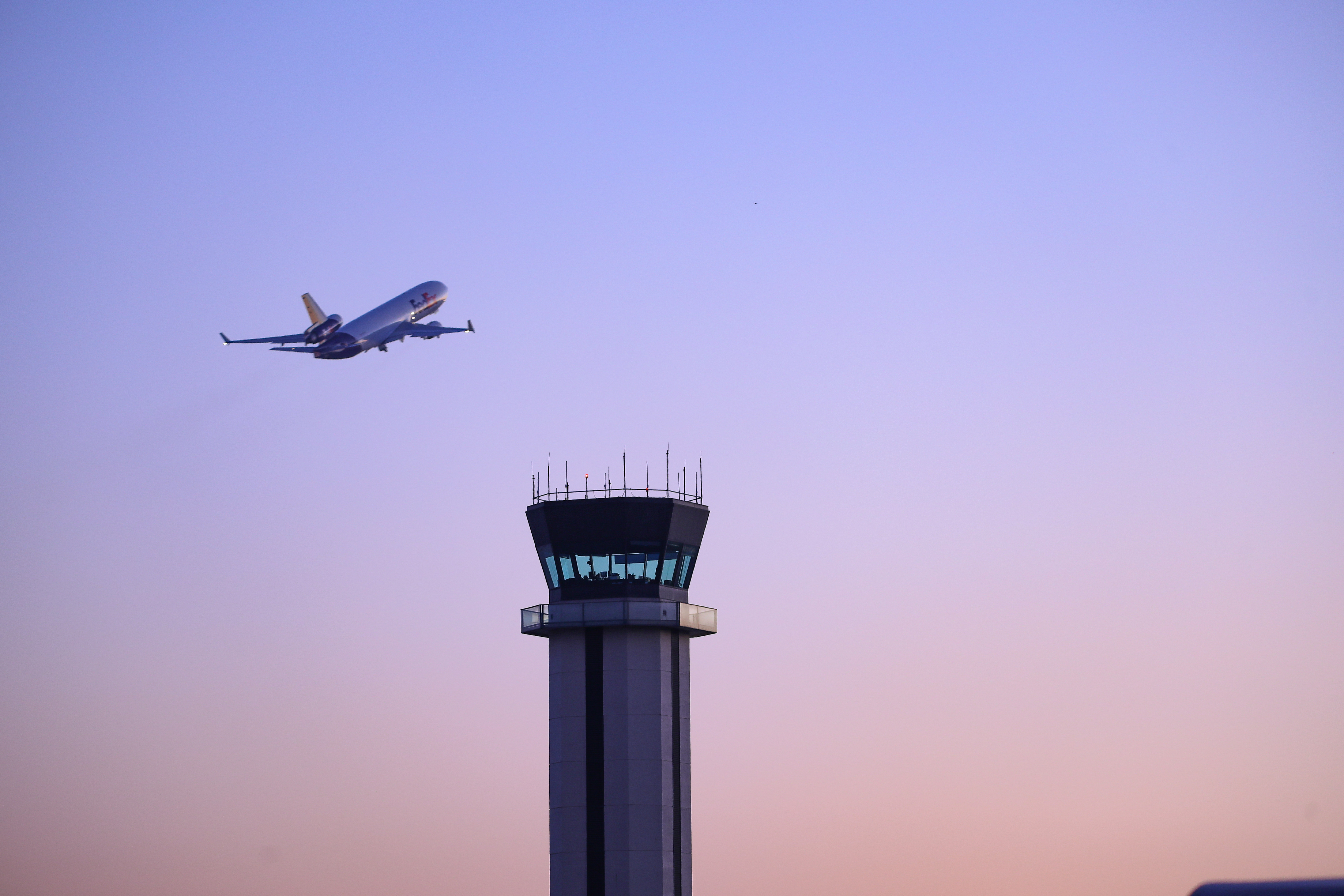
There’s a moment every plane spotter knows. You’re standing there, camera ready, when you hear that low rumble building in the distance. Then a China Airlines 777 breaks through the San Gabriel Mountain backdrop, gear down, lining up for final approach. You snap the shot. And for a second, everything else disappears.
That moment happens a lot at Ontario International Airport (ONT).
ONT has played host to its share of iconic moments since it first opened in 1923. But for a growing community of aviation enthusiasts, it’s what happens every single day that makes this airport special.
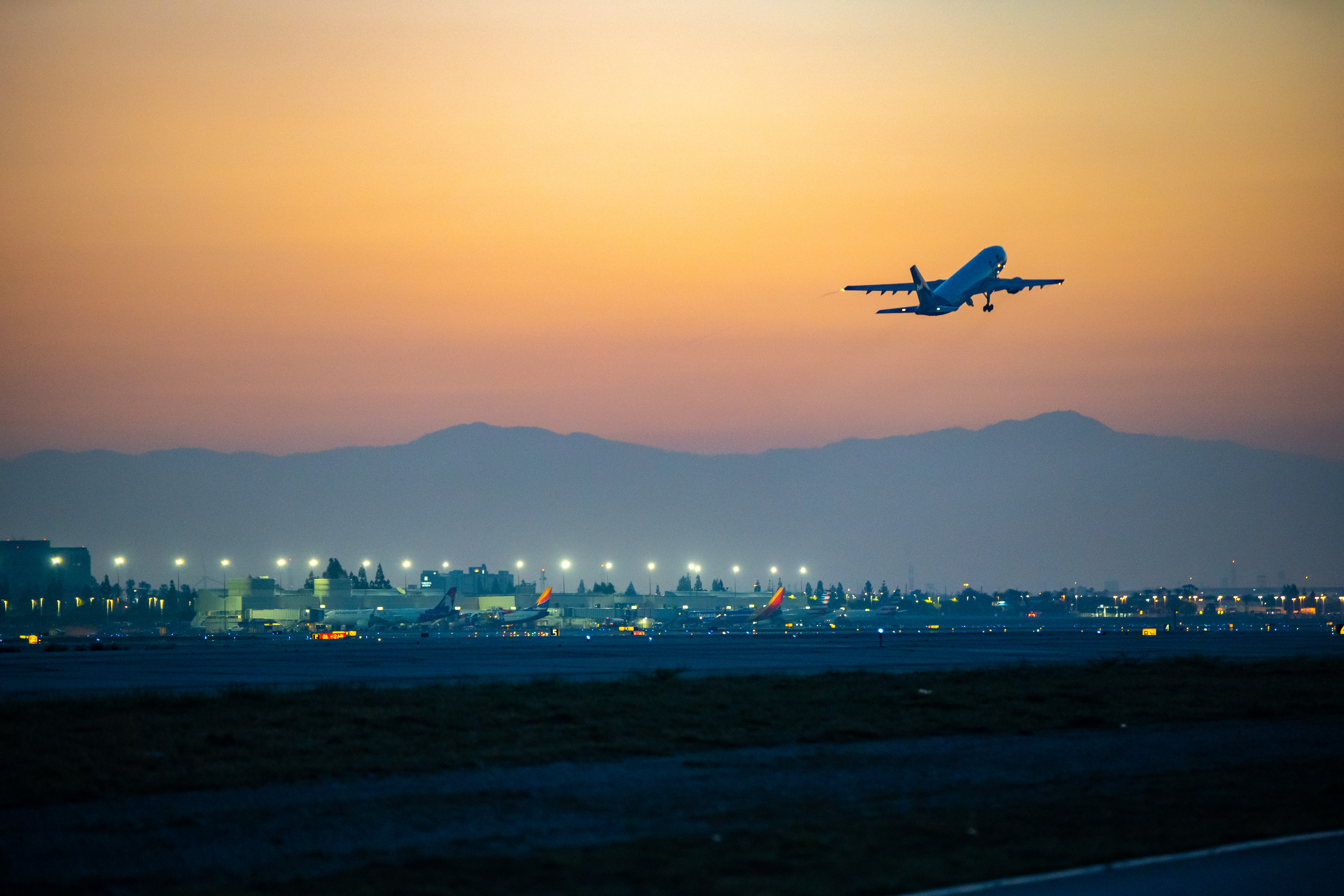
While Southern California has no shortage of airports to watch planes from, ONT offers something most of them can’t. ONT’s roster includes narrow-body workhorses, widebody international departures and cargo operations all operating from the same airfield, set against the backdrop of Mt. Baldy and the San Gabriel Mountain range. It's that combination of aircraft variety and postcard-perfect scenery that keeps local spotters coming back.
We know many of you have long requested that ONT create a dedicated plane spotting area for the public. We hear those requests loud and clear. As we work on our ONT BOLD Program plan to add a new terminal and upgrade existing spaces, know that this request is on the wish list. In the meantime, there are still plenty of great spots to take in the action — including one many people don’t know exists.
Whether you’re a seasoned spotter with a scanner and a telephoto lens or a family looking for something free and fun to do on a Saturday afternoon, here’s everything you need to know about plane spotting at ONT.

What You’ll See at ONT: Airlines and Aircraft
So what actually flies through ONT? More than you might think.
ONT’s airline roster includes Alaska, American, avianca, China, Delta, Frontier, JetBlue, Southwest, STARLUX, United and Volaris Airlines. That translates to a steady rotation of narrow-body workhorses — Boeing 737s and Airbus A320s — punctuated by widebody international departures to Taipei and cargo operations from carriers like UPS, FedEx and Amazon Air.
Picture a typical hour at ONT: A Southwest 737 pushing back from the gate, winglets catching the afternoon sun. A China Airlines 777 on short final, twin engines hanging under that massive wingspan. A UPS 767 rolling in on a cargo run, nose gear kissing the runway. An Alaska Airlines E175 banking over the hills on approach.
The most common aircraft you’ll spot include:
- Boeing 737 (700/800/MAX) – Flown by Southwest, Alaska and United Airlines. Look for a pointed nose, V-shaped cockpit windows, flattened engine bottoms and tail slope, often with winglets.
- Airbus A320 family – Flown by JetBlue, Delta and Frontier Airlines. Look for a more rounded nose, six cockpit windows and prominent winglets.
- Boeing 777 – Flown by China Airlines. Massive twin-engine widebody with flat, oval engine nacelles.
- Airbus 350-900 – Flown by STARLUX Airlines. One of the quietest widebody aircraft with gracefully curved wingtips and a sleek composite fuselage.
- Boeing 767 – Flown by UPS and Amazon Air. Widebody twin, smaller than the 777, with tilted winglets.
- Boeing 757 – Flown by FedEx. Narrow-body but long, with a distinctive nose shape.
- Embraer E175 – Flown by Alaska and United Airlines. Regional jet with four-abreast seating and a T-tail.
- Bombardier CRJ – Flown by American Eagle and United Express. Smaller regional jet with a high T-tail and low wing.
ONT is also home to Guardian Jet Center, which means plane spotters can watch for all types of general aviation aircraft coming in and out of the airport. That might mean a private jet carrying a celebrity, personal prop aircraft on short jaunts or a NASA crew doing research!

How to Tell Aircraft Apart
Once you know what to look for, telling aircraft apart becomes second nature. Here are a few quick cues:
- Narrow-body vs. Widebody: If it has a single aisle and one row of windows, it’s a narrow-body (737, A320). If it’s noticeably larger with two aisles, it’s a widebody (777, 767).
- Winglets. Upturned wing tips are common on newer 737s and A320s. The 777 has raked wingtips that extend straight out rather than curving up.
- Engine count: Two engines means you’re likely looking at a 737, A320, 767 or 777. Four engines? That’s rare at ONT, but not impossible on a charter.
- Nose shape: Boeing noses tend to be more pointed; Airbus noses are more rounded and angular.
For a deeper dive, apps like FlightRadar24 and FlightAware let you identify aircraft in real time by pointing your phone at the sky or searching by registration number.
Where to Watch Around ONT
Here’s the thing many people don’t know: You don’t need a plane ticket to watch planes at ONT. In fact, one of the best seats in the house is inside the terminal itself.
Inside the Terminal with an ONT+ Visitor Pass: The ONT+ Visitor Pass lets approved visitors clear TSA security without a boarding pass. That means you can access both terminals, grab a meal, watch aircraft taxi and depart from the gate area windows, and even purchase a day pass to the Aspire Lounge for a comfortable spot with airfield views. For serious spotters, this is the payoff. You’re inside the secure area, glass between you and the ramp, with front-row views of aircraft pushing back, taxiing and rotating just beyond the fence line. Check the terminal maps to plan where to post up.
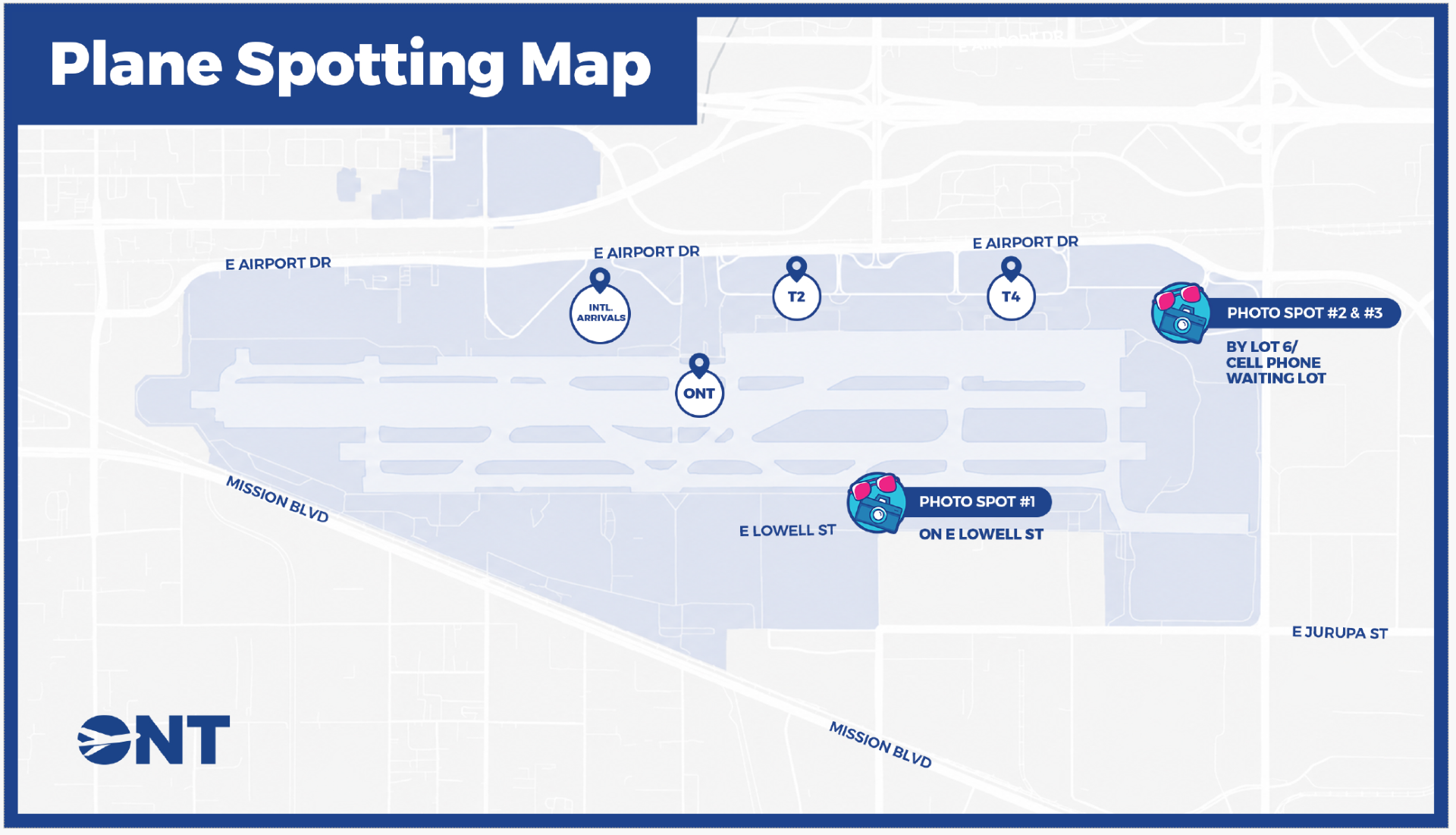
Around the Perimeter: For those who prefer the outdoor experience, ONT has several public vantage points worth knowing about. Here’s what our AvGeeks recommend.
- East Lowell Street on the south side of ONT. “This location places the plane spotters near the touchdown zone, offering excellent views of our arriving and departing aircraft,” said Nasser Elsaleh, Operations Manager at ONT with TBI Airport Management. “It also provides a beautiful backdrop with Mt. Baldy in the background.”
- East Ontario Boulevard cul-de-sac. “It feels awesome sitting underneath and watching the planes roar above you,” said Uzair Khan, a member of the ONT AvGeeks Facebook Group, who loves this spot for watching reverse operations or departures.
- Cell Phone Waiting Lot. You can sit in this free lot for up to an hour. And Elsaleh said it’s his second favorite option for a few reasons: “It's easy to find and accessible, and it provides an excellent view of our arriving aircraft.” This makes it a good option if you’re new to spotting and want something simple.
- Parking Lot 6 in the southeast corner. This one requires paid parking but offers one of the closest public vantage points to active taxiways. “Lot 6 is a great place to see a side profile of planes on final descent for runways 26L/R,” said Zulma Hernandez, Customer Experience Specialist and a pilot herself. Khan notes that in late summer, “the light looks super good” from this spot. Community Engagement Specialist Sadie Gribbon, who assists with tour around ONT, adds that the southeast quadrant of Lot 6 “brushes right up to the airfield and has a direct and unobstructed view of planes as they touch down.”
- Costco parking lot off East Guasti Road. This one is off airport property, but Gribbon swears by it. “I always go there to pump gas, and you can see the planes as they descend from there.”
If you’re cruising on Haven Avenue between Jurupa Street and Airport Drive, Gribbon added, “You are likely to have a plane directly over you as it lands. There are even Instrument Landing Systems in the median to help guide the planes to the runway!”
For folks near the airport’s perimeter, Elsaleh offers these security reminders:
“Plane spotters should always remain at least 10 feet from the airport fence line to comply with airport security requirements. They should also be mindful to avoid blocking entrances and exits, especially the roads used by airport tenants along East Lowell Street.”
Apps and Gear Worth Having
You don’t need much to enjoy plane spotting, but a few tools make it better:
- Flightradar24: Real-time flight tracking with aircraft registration, type, altitude and speed. Point your phone at the sky and the app will ID the plane overhead.
- FlightAware: Similar functionality, useful for tracking departure and arrival patterns.
- ONT WebTrak: ONT’s own flight tracking system, great for monitoring noise and flight paths specific to our airport.
- A decent zoom lens or phone telephoto: If you want photos worth sharing, ONT Creative Producer Christopher Min said you’ll want some reach. A 200mm+ lens or a phone with a telephoto mode will do the job from most perimeter spots.
Best Times to Spot at ONT
Timing matters. Here’s what to know:
- Widebody international arrivals and departures – China Airlines and STARLUX Airlines flights to and from Taipei follow set schedules. Check Flightradar24 for current times so you don’t miss them.
- Cargo flights – These tend to cluster in the early morning and late evening hours. If you want to catch UPS, FedEx and Amazon Air 767s and 757s, plan accordingly.
- Contra-Flow operations – ONT uses Contra-Flow operations overnight from 10 p.m. to 7 a.m., meaning air traffic shifts to the opposite runway direction. Serious AvGeeks know this changes everything about where to position yourself.
Hernandez’s tip: “It’s good to know which runways are being used in the moment, as well as the departure procedure being used, to know where aircraft will be coming from.” Flight tracking apps make this easy to check before you head out.
Show off your work: Snapped some great plane shots at ONT? Want a chance to see your work featured on our social media channels? Share your photos here!
Your Next Move
If this guide got your attention, here’s a recommended next step: Apply for an ONT+ Visitor Pass. It’s free, it’s easy and it puts you inside the terminal with a view most people don’t even know exists. No ticket required.
The ONT AvGeeks Facebook Group is where the local spotting community shares photos, tips and heads-ups about interesting aircraft coming through. Join the group here — it's active, welcoming and a great way to learn fast.
Next: Just go! Bring your camera. Bring your kids. Bring your coffee. The planes are always moving, and the mountains are always right there.


Trending Posts

Contact ONT
Have questions for the ONT team? Click the link below for multiple ways to connect with us.