


Table of Contents
From student certificate to airline cockpit, here's a breakdown of every step, what it costs and how long it actually takes.
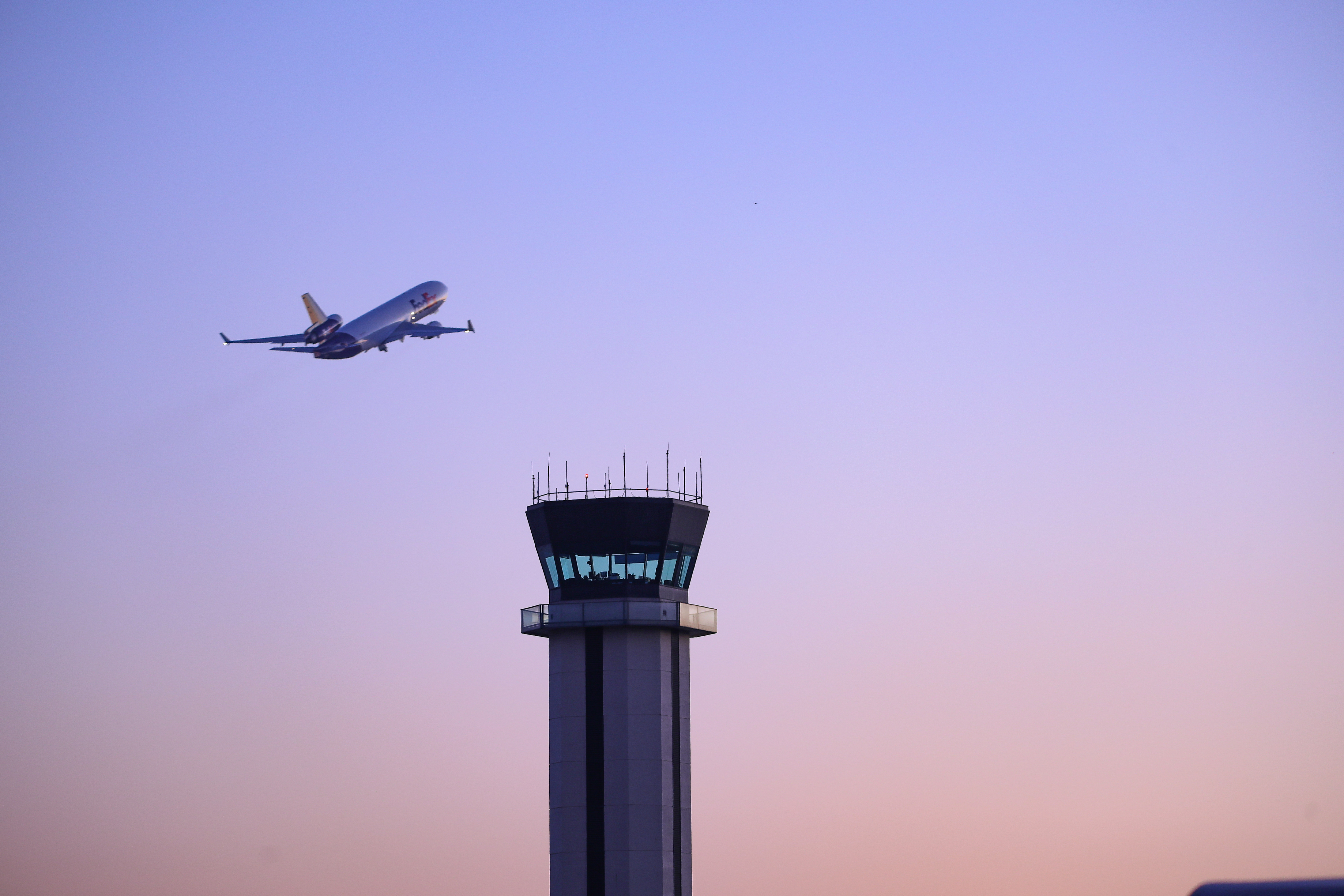
Ever stare out the airplane window at 30,000 feet and wonder what it would be like behind the controls? Us, too.
For a lot of people, becoming a pilot starts as a childhood dream. Maybe it was sparked by an airshow, a favorite movie (looking at you, Maverick), or simply the pull of flight itself. But what does it actually take, in real world terms, to become an aviator?
The path to becoming a pilot is absolutely achievable, but it does require commitment, training and a realistic understanding of the journey ahead. It’s not as simple as getting a driver's license, but it's also not some mysterious process reserved for military aviators and airline captains.
Who better than an airport to break the whole thing down? Let’s look at what it takes to earn your wings!
Your Pilot Journey, Step by Step
One of the biggest misconceptions about becoming a pilot is that there's a single license that magically unlocks the skies. In reality, pilots earn a series of certificates and ratings throughout their careers, each opening new opportunities and privileges.
The Certificates at a Glance
- Student Pilot Certificate
Your official entry point into flight training. This allows you to begin working with an instructor and eventually fly solo under specific conditions. - Private Pilot Certificate (PPL)
The first major milestone. This allows you to fly for personal travel and recreation, carry passengers and enjoy the freedom most people associate with being a pilot. - Instrument Rating (IR)
Adds the ability to fly using instruments and navigate through clouds and reduced visibility conditions. This is a critical step for pilots pursuing aviation careers, but is also highly important knowledge for hobby aviators. - Commercial Pilot Certificate (CPL)
The certificate that allows you to be paid for flying. Many professional opportunities begin here. - Airline Transport Pilot Certificate (ATP)
The highest level of pilot certification and the credential required for airline captains and most airline first officers.
If you use the analogy of the standard US education, the private certificate is your high school diploma, the commercial certificate is your college degree and the ATP is your graduate-level credential that opens the doors to specific airline careers.
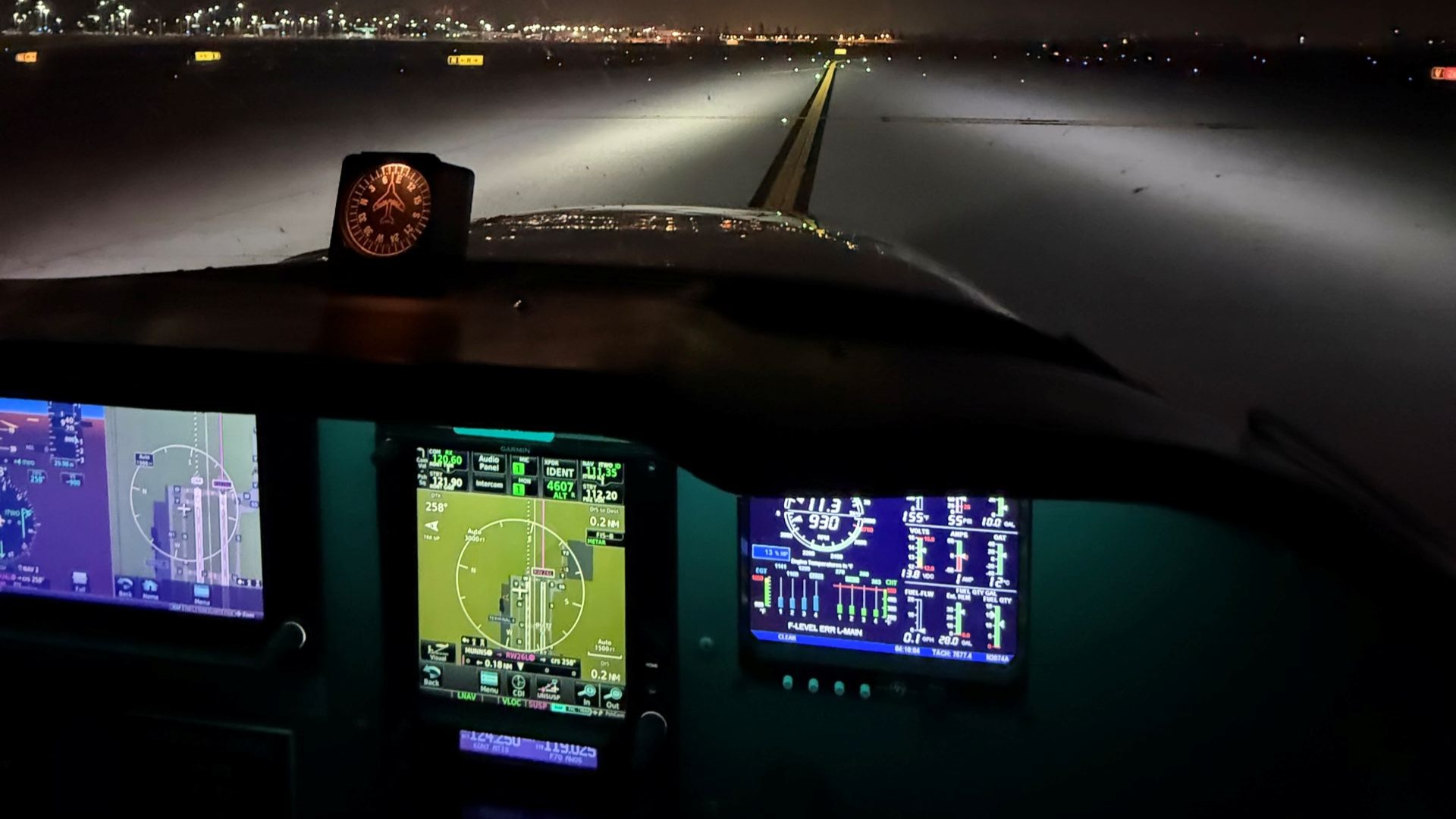
The Part Seldom Talked About: Building Flight Hours
Remember when you got your driver’s license, and you had to have a certain number of practice hours behind the wheel? Flying works in a similar fashion, with certifications only being one part of the process. Minimum numbers of flight hours are required to progress through aviation training.
For example, the FAA minimum for a private pilot certificate is often 40 flight hours. In reality, most students take closer to 60 to 80 hours before earning their license. Everyone learns at a different pace, and weather, scheduling and practice frequency all influence how quickly progress happens.
ATP certification is more demanding (as it should be, given the responsibilities), and generally requires up to 1,500 hours of total flight experience. That’s a huge leap from the hundred-or-so hours many aviators have after earning their commercial certificate.
How do pilots bridge the gap? Many become flight instructors, teaching new students while building experience. Others fly charter operations, conduct aerial surveys, tow banners, transport cargo or pursue other commercial flying opportunities.
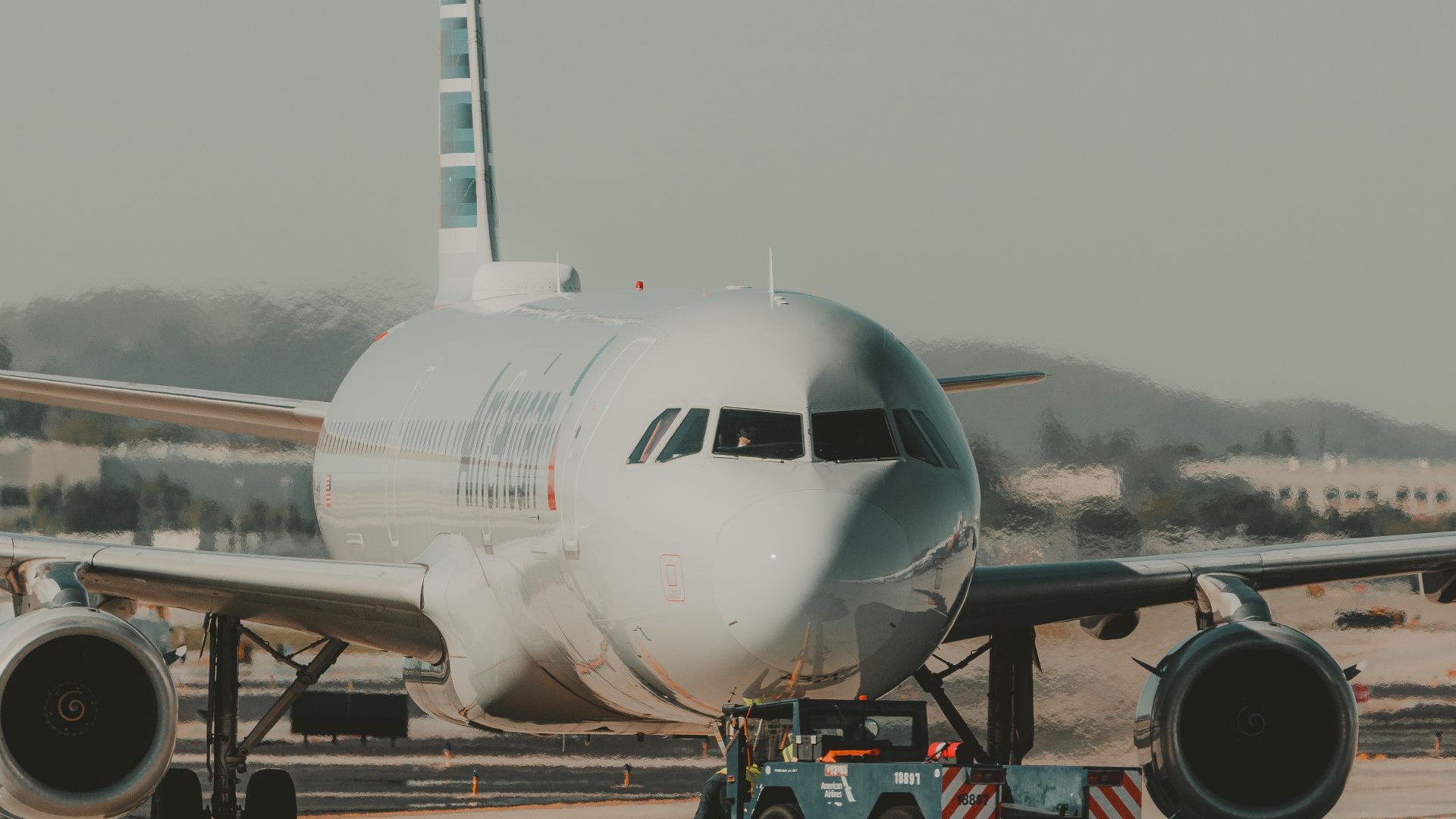
How Long Does Becoming a Pilot Take?
While this probably isn’t the answer you’re looking for, the timing really depends entirely on your goals and training availability.
Someone pursuing a private pilot certificate as a hobby might complete training within a few months if they fly consistently. Someone training full-time in an accelerated program could potentially move from beginner to commercial pilot within a year. An airline career generally takes longer because of the time required to build experience. For many aspiring airline pilots, the journey from first lesson to airline cockpit takes several years.
That may sound daunting but every milestone along the way is real progress. A first solo, a first cross-country, a checkride passed. The timeline matters less than the steady forward motion and consistency is what carries you to the cockpit.
What Does It Cost?
Now, onto most people’s main concern about aviation training. Yes, flight training is indeed a significant investment.
A private pilot certificate often costs somewhere between $12,000 and $20,000, depending on factors like aircraft rental rates, instructor fees, fuel costs and how efficiently a student progresses through training.
For those pursuing professional aviation careers, total costs can climb substantially higher.
Going from zero experience to airline-ready credentials often falls somewhere between $60,000 and up into the six-figure range. Some programs may cost less, while others cost significantly more depending on location, equipment and training structure.
One important reality check: the lowest advertised number is rarely the final number. Training delays, additional practice flights, examiner fees and other expenses can add up along the way. Prospective students should budget conservatively and ask detailed questions when comparing schools.
The encouraging news is that aviation remains a strong career field. According to the U.S. Bureau of Labor Statistics, airline and commercial pilot employment is projected to grow 4% over the next decade, with thousands of openings expected each year. Wages also remain among the strongest in transportation careers, with the median annual wage for airline pilots, copilots, and flight engineers at $226,600 in 2024. The median annual wage for commercial pilots in 2024 was $122,670.
Career Tracks: Not Every Pilot Flies for an Airline
Your aviation options aren’t limited to the military or commercial airlines. While these are certainly viable career paths, there’s a whole world of piloting opportunities in the modern ecosystem.
Professional pilots work in a surprising variety of industries, including:
- Airlines
- Military aviation
- Corporate aviation
- Cargo operations
- Charter services
- Flight instruction
- Agricultural aviation
- Air ambulance operations
- Government agencies
- Firefighting and aerial support
Some pilots spend their careers flying business executives, others transport critical medical supplies, some teach future aviators and others fight wildfires or conduct aerial photography missions. One of the beauties of aviation is that there’s no single definition of success up in the skies.
Aviation Careers Go Far Beyond the Cockpit
It's also worth remembering that pilots are only one part of the aviation ecosystem.
Airports rely on operations specialists, maintenance technicians, engineers, planners, customer service teams, emergency personnel, concessions staff and dozens of other professionals working together in sync every day. In fact, most people who work in aviation never fly professionally at all, though they’re just as necessary to the process as the aviators themselves.
If you're fascinated by aviation but unsure whether piloting is the right fit, there are countless career opportunities that keep airports and airlines moving safely and efficiently.
Getting Started in the Inland Empire
One of the advantages of living in Southern California is access to a thriving aviation community.
The Inland Empire is home to several flight training options, including schools like SoCal Aviation Inc. flying out of Chino Airport and Cable Air Flight School in Upland. These facilities provide opportunities for prospective pilots to take discovery flights, meet instructors and learn more about training pathways.
Ontario International Airport (ONT) also plays an important role in the region's aviation ecosystem. While commercial airline pilots don’t train at ONT, the airport supports a robust general aviation community and serves as a gateway to countless aviation careers throughout Southern California.
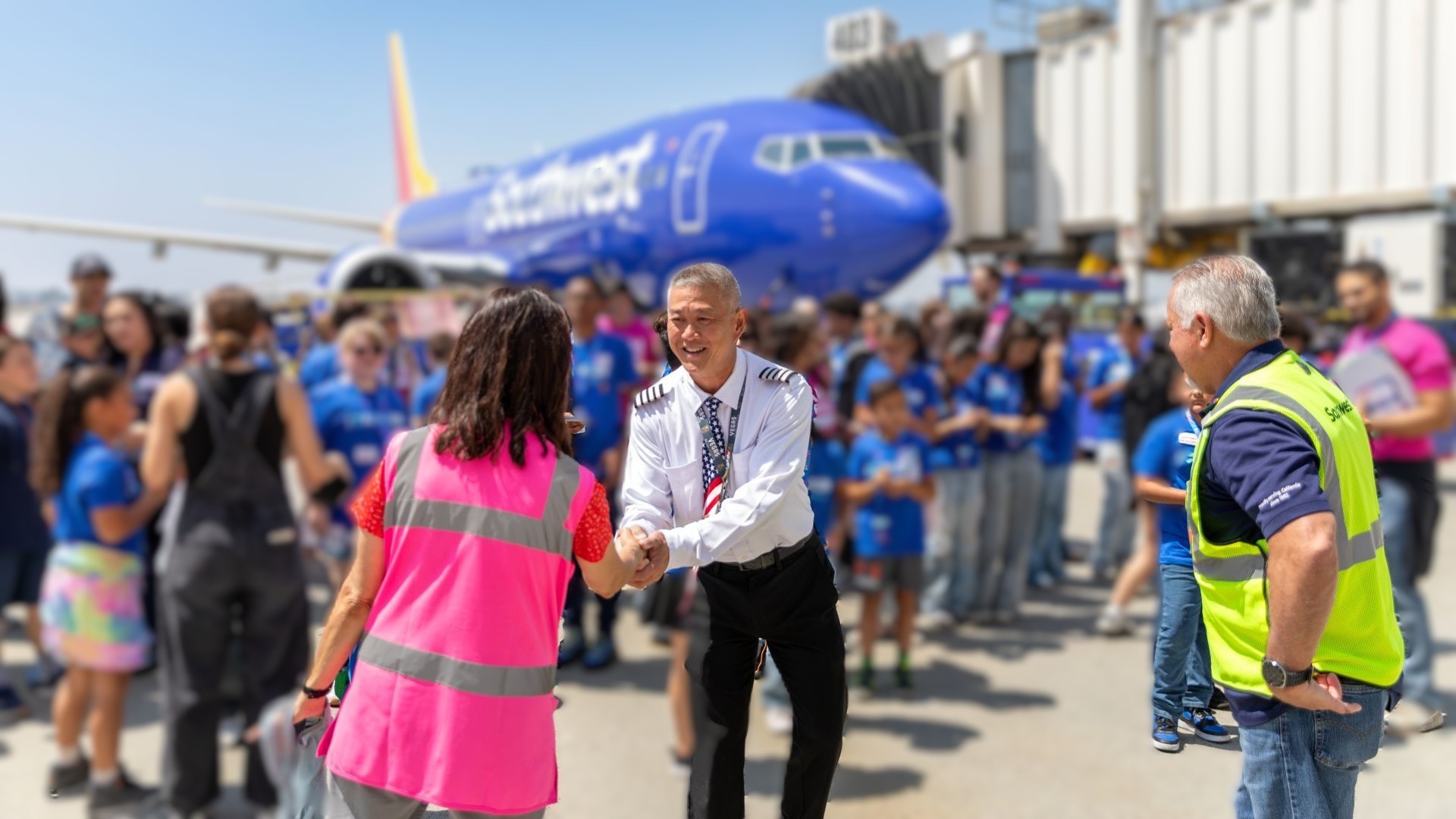
Students and youth interested in aviation can also explore programs such as Shades of Blue, which helps introduce young people to careers across the aviation industry and provides valuable exposure to potential career paths.
Perhaps the best first step is also the simplest: schedule a discovery flight. Most flight schools offer introductory lessons that allow prospective students to sit in the cockpit, take the controls under instructor supervision and experience flight firsthand.
Every Pilot Started Exactly Where You Are
No pilot is born knowing how to land an airplane.
Every captain, instructor and aviation professional once stood on the other side of the airport fence watching airplanes climb into the sky, wondering what it would take to get there. The path requires time, dedication and investment. There will obviously be early mornings, challenging lessons and moments when progress feels slower than you'd like. There will also be unforgettable milestones: your first solo flight, your first cross-country trip and the moment you realize you've become part of a community that has inspired dreamers for more than a century.
If aviation has been calling your name, maybe it’s time to get started. After all, every flight begins with a departure.
Trending Posts

Contact ONT
Have questions for the ONT team? Click the link below for multiple ways to connect with us.